The Wolf Cut in San Francisco: What It Is, Who It's For, and Where to Get One
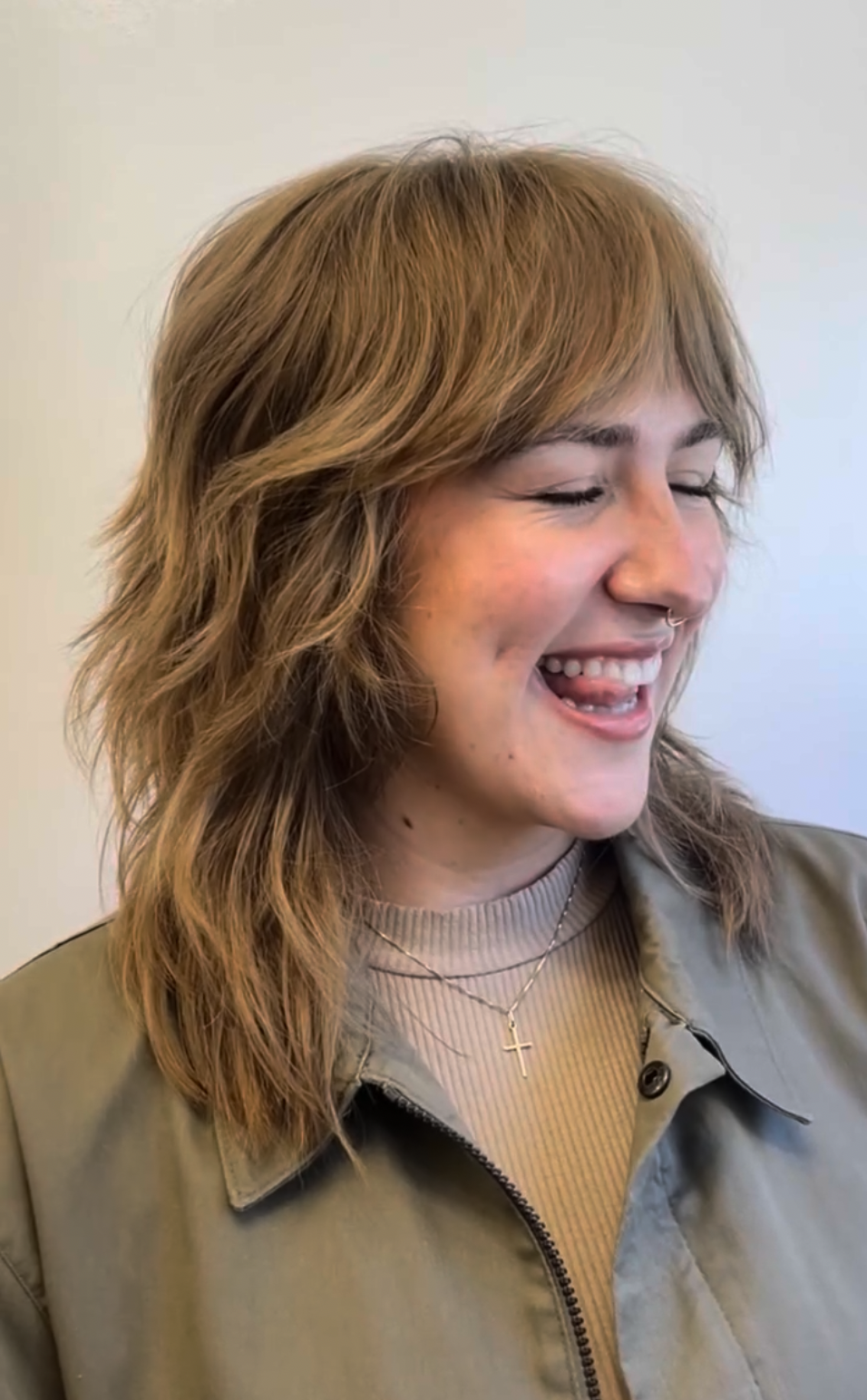
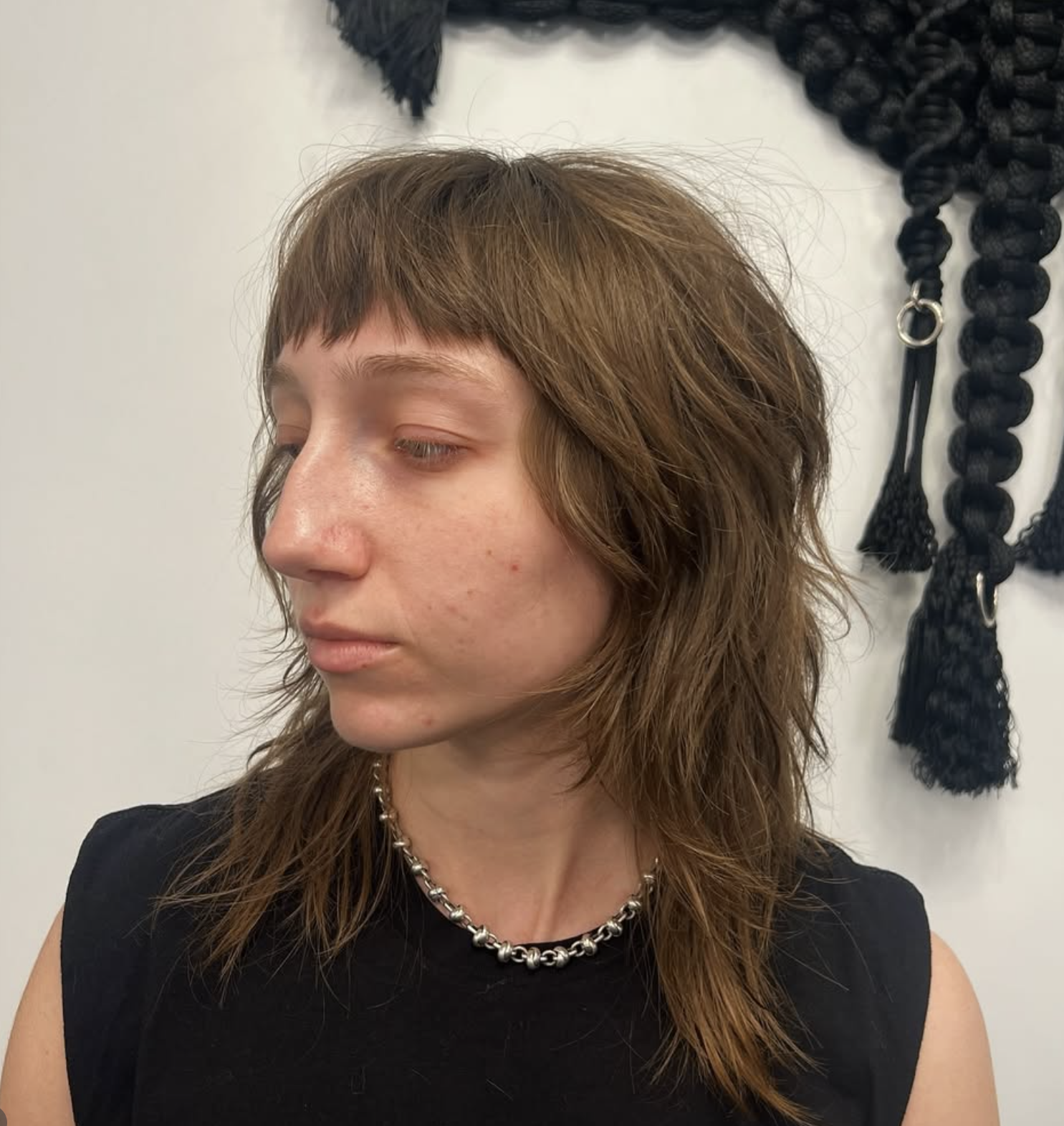
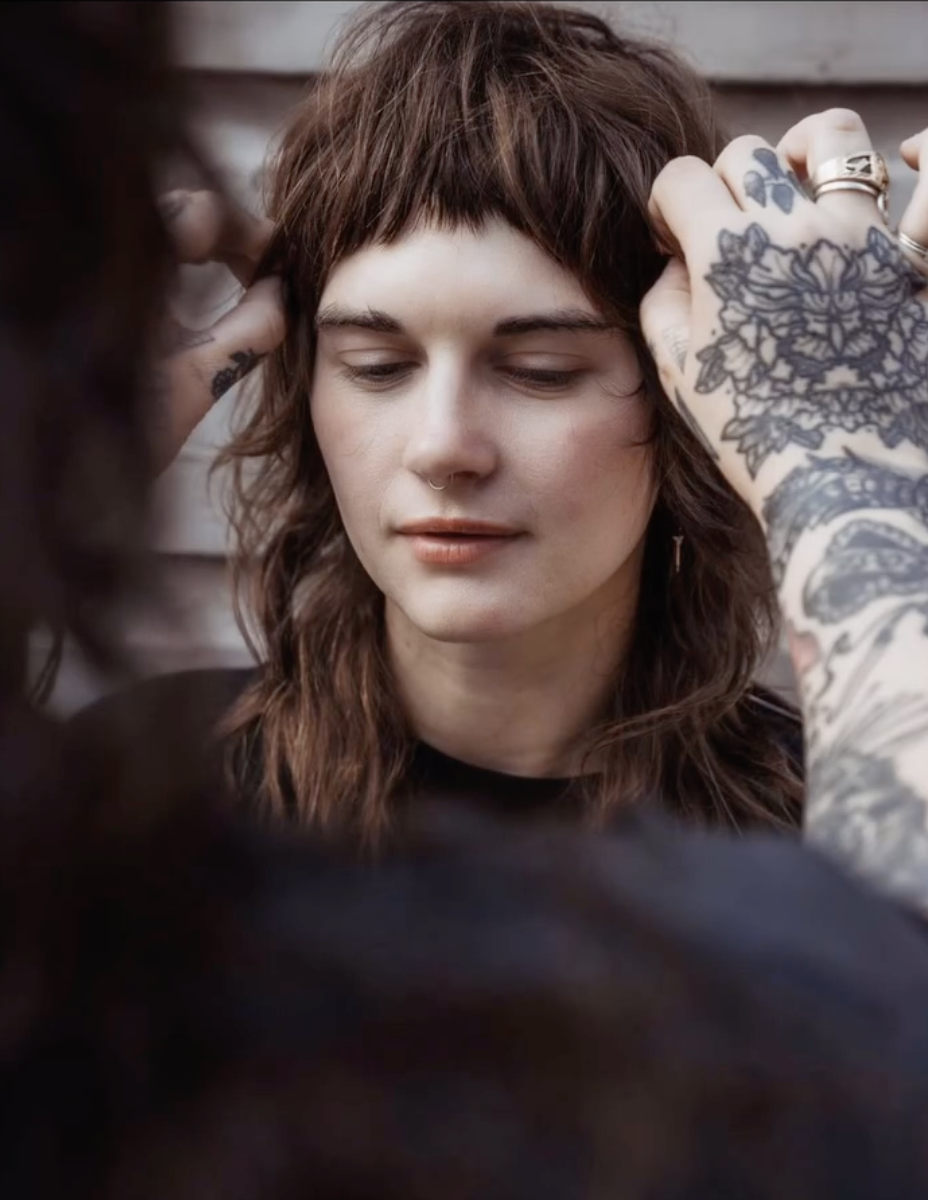
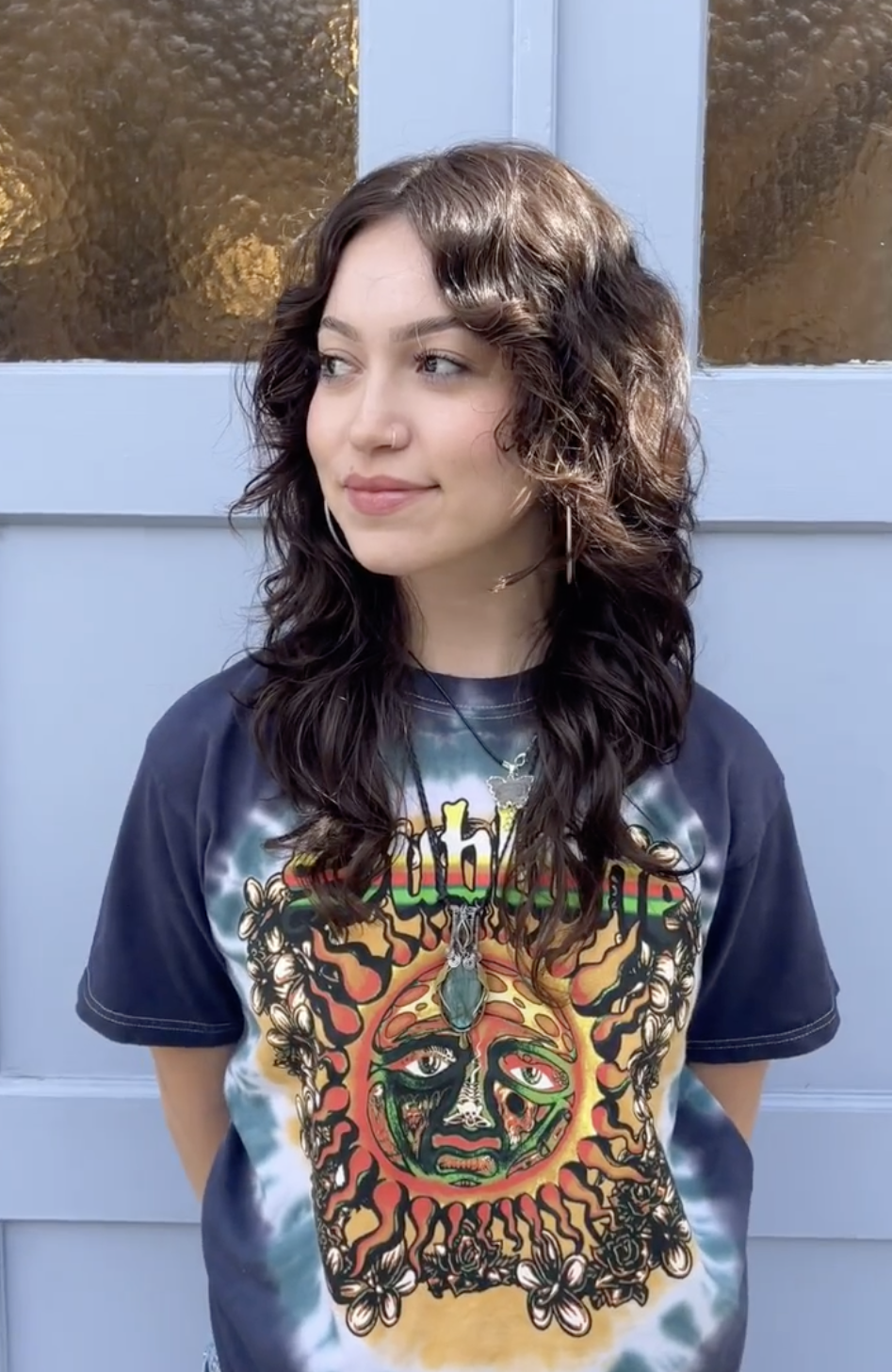
If you've been on social media at all in the last couple of years, you've seen the wolf cut. It's everywhere. And while a lot of trends come and go, this one has staying power, especially in a city like San Francisco where individuality, texture, and a little bit of rock and roll energy are basically part of the water supply.
At Headprint Studio, the wolf cut in San Francisco is one of our most requested styles right now. So if you've been saving photos and wondering whether it would work for you, here's everything you actually need to know.
What Is the Wolf Cut?
The wolf cut is a hybrid between the shag and the mullet, which if you've been following along with our other posts, means it's pulling from two of the most beloved alt cuts of the moment. It takes the heavy, choppy layering and lived-in texture of the shag and combines it with the volume-at-the-crown and length-in-the-back silhouette of the mullet. The result is a cut that's big, bold, and effortlessly cool.
Think lots of layers. Think a dramatic, voluminous crown. Think a fringe situation, whether that's curtain bangs, wispy pieces, or a more dramatic fringe. And think length that falls past the shoulders, though shorter versions absolutely exist and work beautifully.
The wolf cut gets its name from the slightly wild, untamed quality it has when worn naturally. It's not a polished cut. It's not supposed to be. It's meant to look like you've got a lot going on, in the best possible way.
How Is It Different From the Shag and the Mullet?
This is the question we get most often, especially from people who've been looking at all three cuts trying to figure out which one they actually want.
The shag is all about texture and movement throughout, with layers that are relatively seamless from top to bottom. The mullet has a more pronounced disconnect between the short sides and the longer back, with a stronger emphasis on that front-to-back length contrast. The wolf cut sits right between them and leans into the volume and drama of both.
Where the wolf cut really distinguishes itself is in the crown volume. A well-executed wolf cut has serious lift and fullness at the top, which then falls into those choppy, layered lengths. That combination of volume up top and length and texture below is what gives the wolf cut its signature silhouette. It's bigger and more dramatic than a standard shag, and a little less structured than a classic mullet.
Who Is the Wolf Cut For?
One of the reasons the wolf cut has taken off the way it has is that it genuinely works across a wide range of hair types and textures.
Wavy and curly hair are particularly well suited to the wolf cut. The layers enhance natural texture and the volume at the crown happens almost on its own. If you have waves or curls and you've been fighting your hair into submission with a cut that doesn't work with your texture, the wolf cut might be exactly what you've been missing.
Straight hair can absolutely pull off a wolf cut too. It requires a little more product and styling to get that voluminous, textured quality, but the result is striking. A good texturizing spray and some air drying goes a long way.
Fine hair benefits from the layering because it adds movement and the illusion of volume without adding weight. Thick hair benefits because the layers remove bulk and make the hair much more manageable.
In terms of face shape, the fringe and the crown volume give your stylist a lot to work with. Curtain bangs soften a stronger jaw. A higher volume crown adds length to a rounder face. The wolf cut is one of those styles where the details can be adjusted significantly to suit what works best for you specifically.
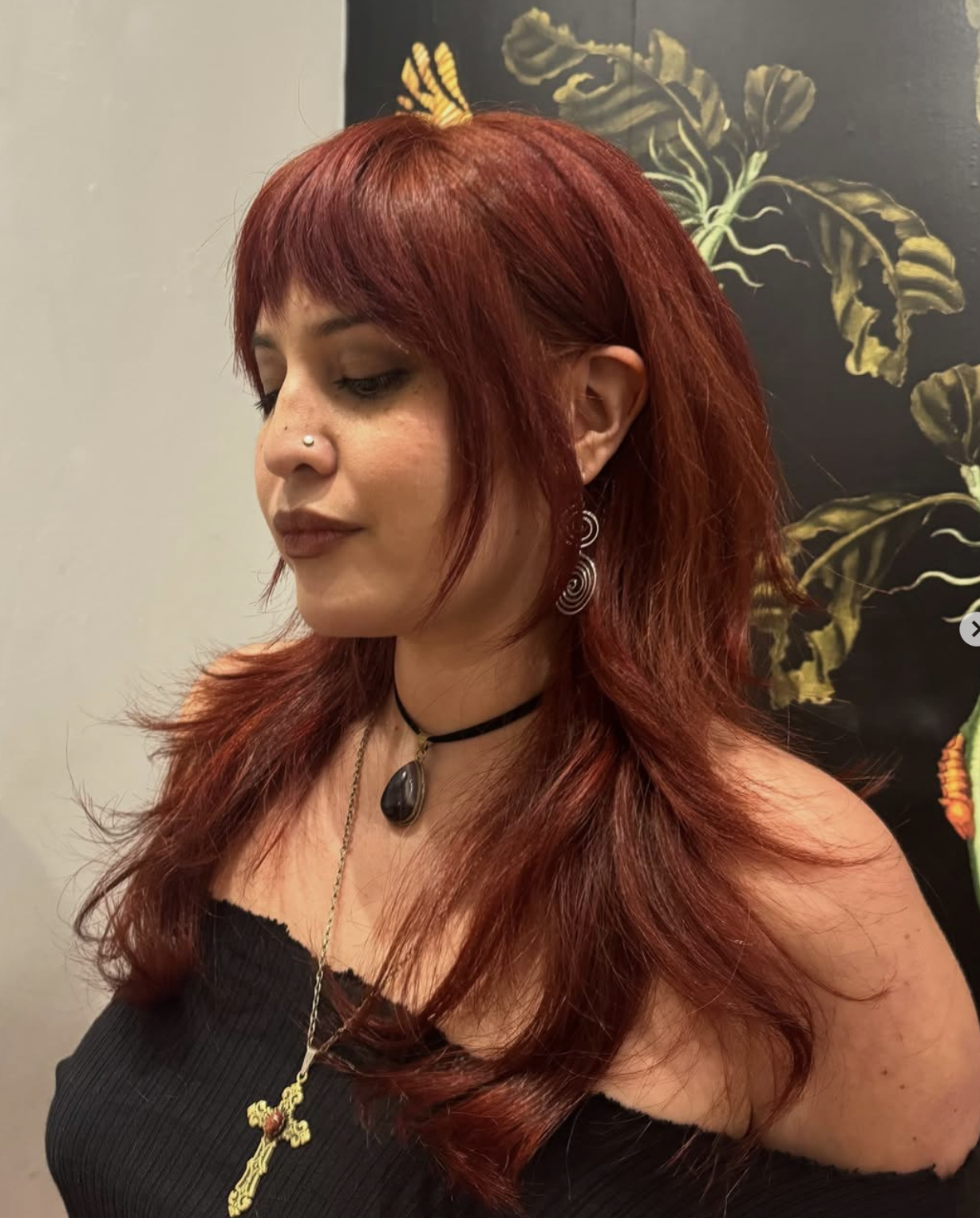
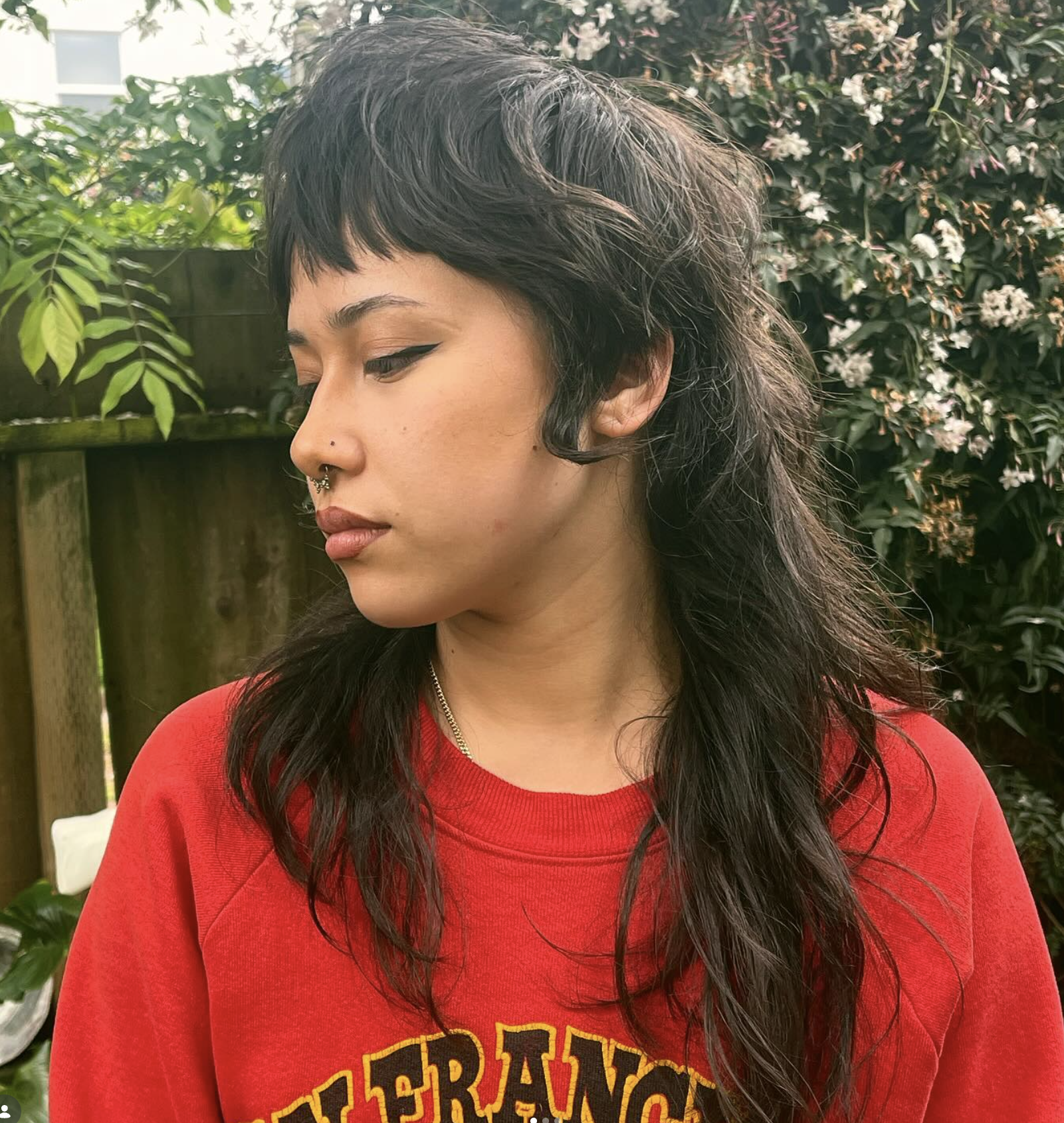
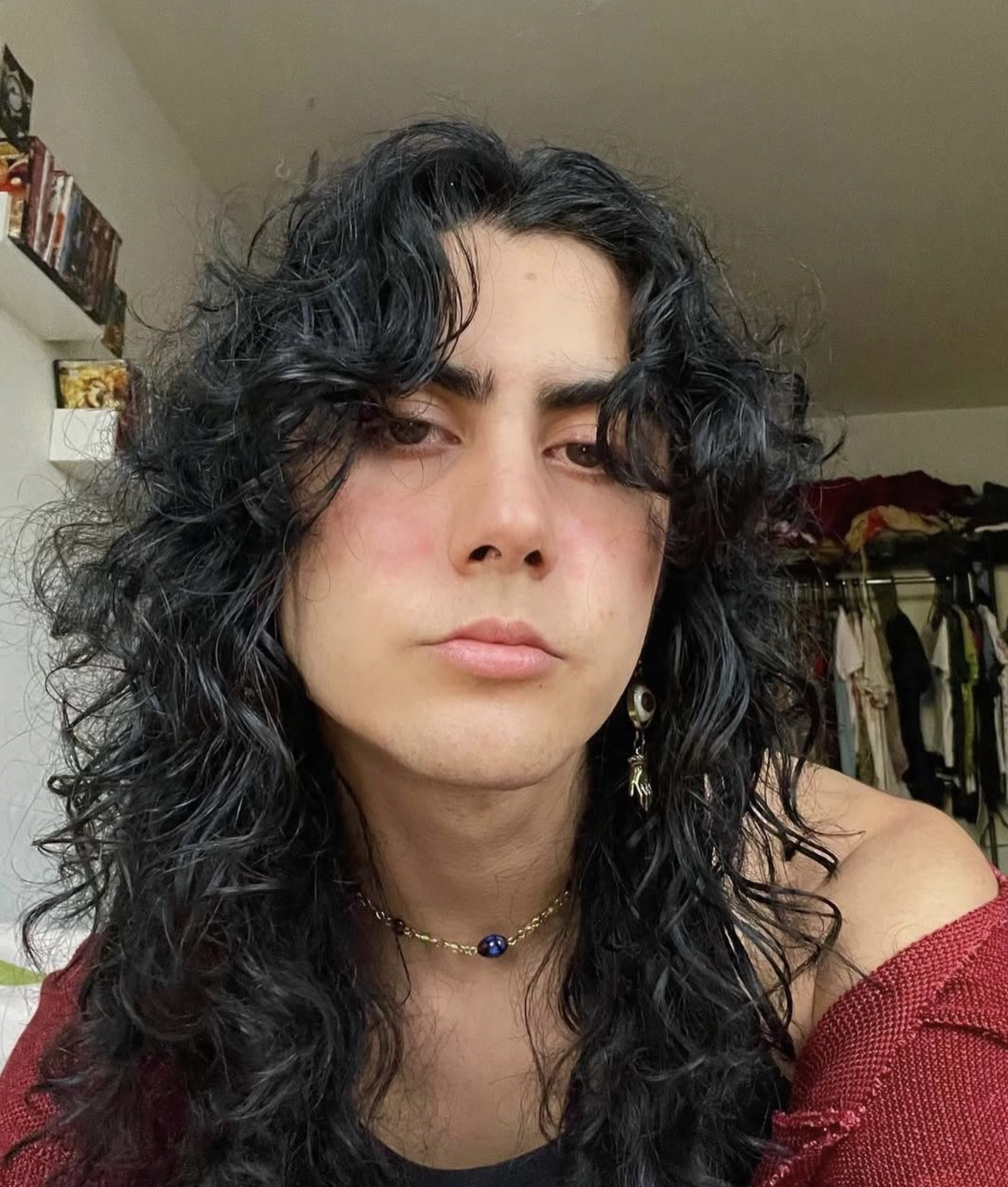
How to Style a Wolf Cut
Here's the good news: the wolf cut is designed to look good with minimal effort. Here's how to get the most out of it.
For wavy and curly hair: Apply a curl cream or mousse to damp hair, scrunch it through, and either air dry or use a diffuser. The layers will do most of the work for you. Finish with a light oil to add shine and reduce frizz if needed.
For straight hair: Rough dry your hair with your fingers to build volume at the roots, then use a texturizing spray while the hair is still slightly damp. A large barrel curling iron or wand used loosely through the lengths will give you that effortless, undone wave. Don't over-smooth it. The messiness is the point.
For everyone: A little dry shampoo at the roots on day two or three extends the life of the style and keeps the volume going. The wolf cut honestly tends to look even better a day or two after washing, which is a gift.
What to Expect at Your Appointment
If you're booking a wolf cut in San Francisco for the first time, here's what the process looks like at Headprint Studio.
It starts with a consultation. Your stylist will look at your current hair, talk through your goals, and figure out which version of the wolf cut makes the most sense for your specific texture, length, and lifestyle. Bring your saved photos. Seriously, they help.
From there, the cut itself typically takes between one and two hours depending on your hair's thickness and length. If you're adding color, factor in additional time for that. And if your hair needs any prep work before color, your stylist will let you know upfront.
We price by the hour at Headprint Studio, which means you're paying for exactly the time and skill your cut requires. No guessing, no surprise totals at the end.
The Wolf Cut and Bold Color: A Natural Pairing
One thing worth mentioning is that the wolf cut and bold color were basically made for each other. The heavy layering creates incredible dimension when color is applied, especially vivid or alternative shades. Hidden color looks particularly stunning in a wolf cut because the layers reveal and conceal the color as the hair moves. And a vivid all-over color on the voluminous crown creates a look that stops traffic.
If you've been thinking about doing both, a consultation is the best place to start. Your stylist can map out a plan that combines the cut and the color in a way that makes sense for your hair's current condition and your overall vision.
Why Get Your Wolf Cut at Headprint Studio
San Francisco has a lot of talented stylists. But the wolf cut requires a specific understanding of layering, texture, and how to build volume without sacrificing length or movement. It's a cut that looks deceptively simple and is actually quite technical to execute well.
At Headprint Studio, our stylists have done this cut across every hair type, length, and texture. We've done it on natural curls, on fine straight hair, on previously colored hair, and on everything in between. We know what adjustments to make based on what your specific hair needs, and we're going to be straight with you during your consultation about what's realistic and what isn't.
We're also a space where you can show up as your full self. No assumptions, no gendered pricing, no awkward questions. Just a real conversation about your hair and a team that genuinely loves this kind of work.
Ready for Your Wolf Cut?
If any of these looks made you stop scrolling, that's your answer. Come see us at ourCow Hollow location (2848 Webster St, San Francisco, CA 94123) or our Castro location(4327 18th St, San Francisco, CA 94114).
Don't be a stranger and text us!
We foster an inclusive, vibrant space for all hair types and all identities. Learn more about what makes us a truly queer-friendly hair salon in San Francisco.